Tashkent International WTO Model Successfully Held at UWED
April 09, 2026. 19:28 • 3 min
• 817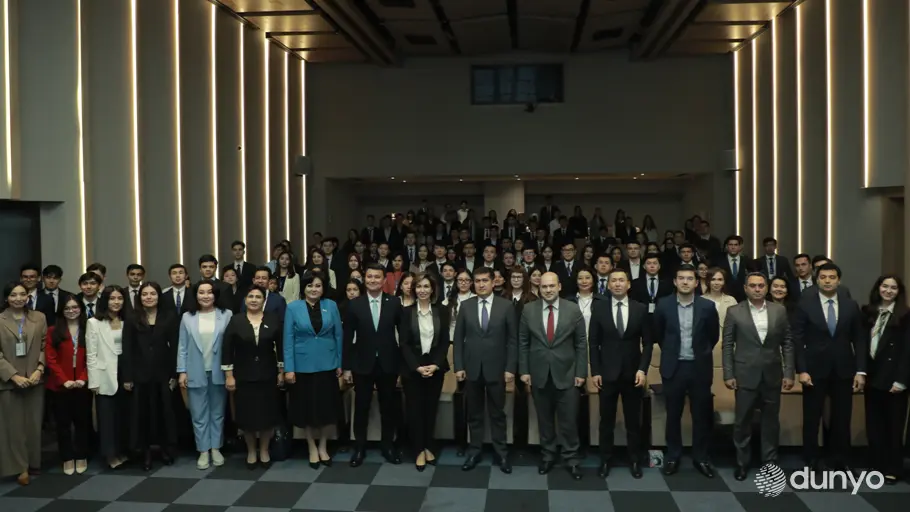
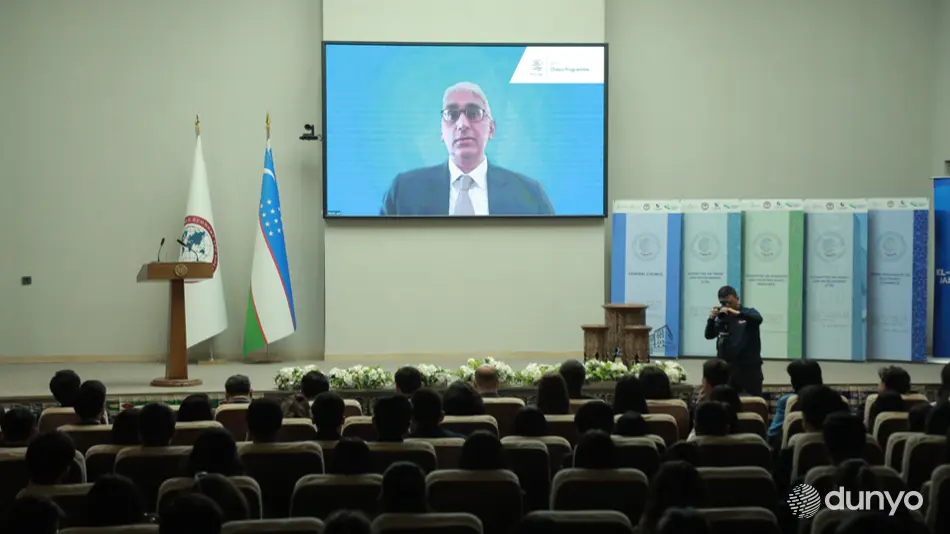
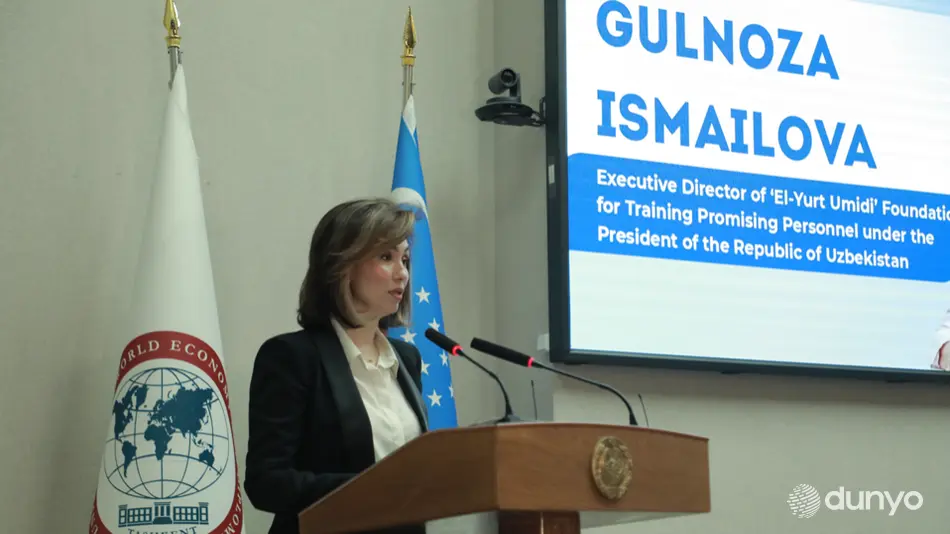
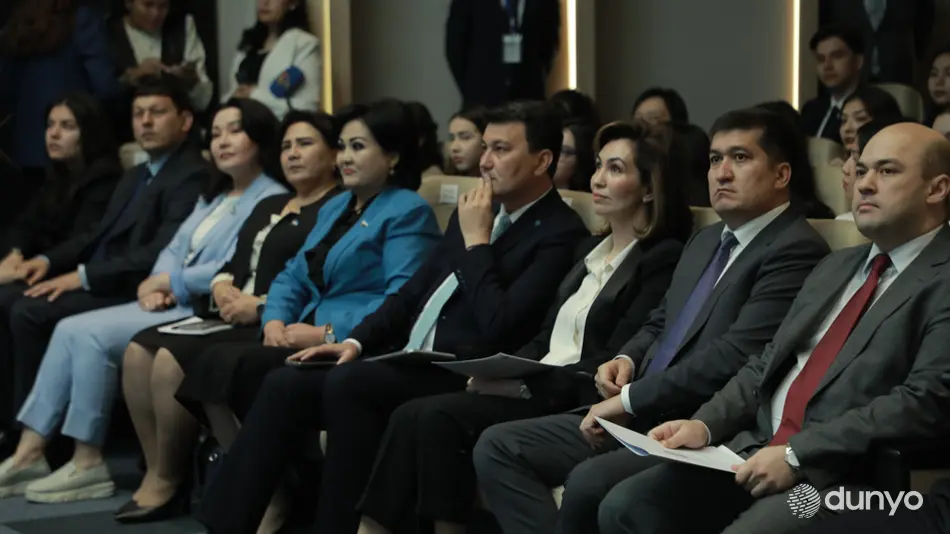
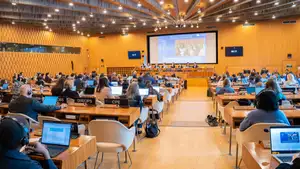
TASHKENT, April 9. /Dunyo IA/. The Tashkent International WTO Model was successfully held at the University of World Economy and Diplomacy (UWED) as a two-day international educational event, reports Dunyo IA correspondent.
The initiative served as a practice-oriented platform for simulating the institutional processes of the World Trade Organization and for strengthening participants’ knowledge and skills in international trade law, trade diplomacy, multilateral negotiations, and dispute settlement.
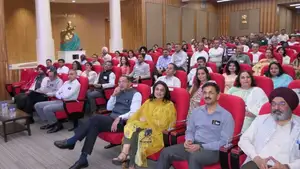
The event brought together participants from Kazakhstan, India, Japan, and Uzbekistan, including students, young researchers, and emerging professionals with an interest in international trade and economic governance.
Held under the theme “Reforming Multilateral Trade for a Sustainable and Resilient Global Economy”, the event addressed issues that are increasingly central to both the international and national trade agenda. Against the backdrop of global economic uncertainty, supply-chain disruptions, sustainability-related trade debates, and ongoing discussions on the future of multilateralism, the Tashkent International WTO Model provided a timely forum for examining how trade institutions can respond to contemporary challenges. At the same time, the event was directly relevant to Uzbekistan’s own WTO accession process and its broader policy objective of deeper and rules-based integration into the global economy.
In line with the event concept, the Model replicated key WTO processes by combining a negotiation track and a dispute-settlement dimension. Participants engaged in simulations reflecting ministerial-style deliberations, committee-based negotiations, and WTO-related legal reasoning. This format enabled them to better understand how states formulate trade positions, defend national interests, build coalitions, seek compromise, and address trade disputes within a rules-based institutional framework.
The relevance of the event for Uzbekistan was especially significant. As the country advances its accession process to the WTO, there is a growing need for a new generation of specialists capable of working professionally with WTO rules, participating in multilateral trade negotiations, conducting legal and policy analysis, and representing national interests effectively in international forums. In this regard, the Tashkent International WTO Model functioned not merely as an academic exercise, but as a forward-looking platform contributing to the development of national expertise in trade governance and international economic law.
A central highlight of the event was the keynote address delivered by Azizbek Urunov, Representative of the President of Uzbekistan on WTO and Chief Negotiator. His participation gave the event particular practical relevance. In his remarks, he addressed the substance and strategic importance of Uzbekistan’s WTO accession process, the complexity of ongoing negotiations, the need to align domestic reforms with international trade disciplines, and the role of professional capacity-building in ensuring that Uzbekistan can participate effectively in the multilateral trading system.
Across the two-day programme, participants discussed a range of issues situated at the core of today’s international trade agenda. These included the reform of multilateral trade governance, the resilience and sustainability of the global economy, the relationship between trade and development, and the institutional and legal techniques through which trade disputes are addressed. The event also fostered practical skills in public speaking, analytical reasoning, legal argumentation, and diplomatic engagement.
The successful completion of the Tashkent International WTO Model demonstrated the growing importance of such initiatives in Uzbekistan’s academic landscape. By linking education, practice, and national reform priorities, the event contributed to strengthening cooperation between universities, experts, and public institutions, while also helping prepare future professionals for meaningful participation in international trade governance. In this sense, the Model stands as an important contribution to Uzbekistan’s ongoing integration into the multilateral trading system and to the formation of long-term national capacity in WTO-related matters.

See all