Connectivity is key to strengthening the partnership between Central Asia and Europe
October 27, 2026. 18:50 • 3 min
• 72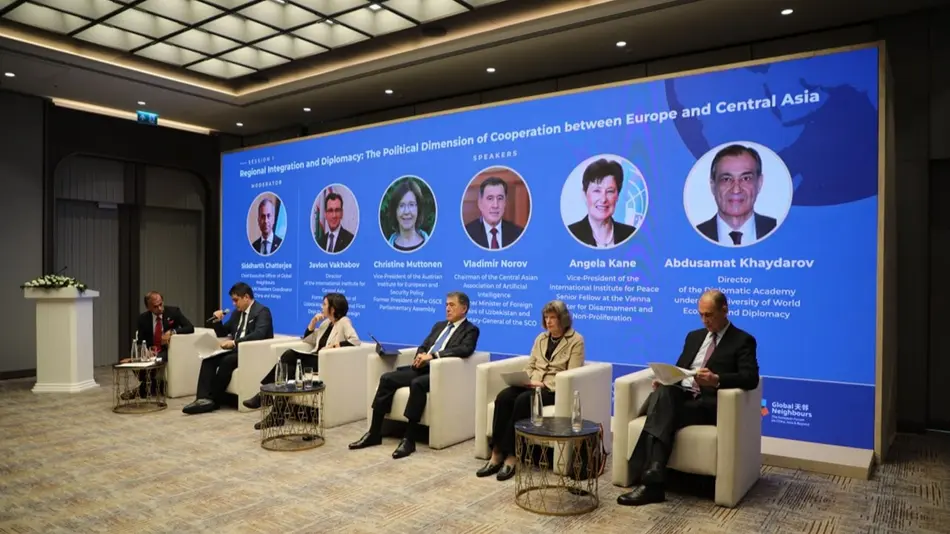
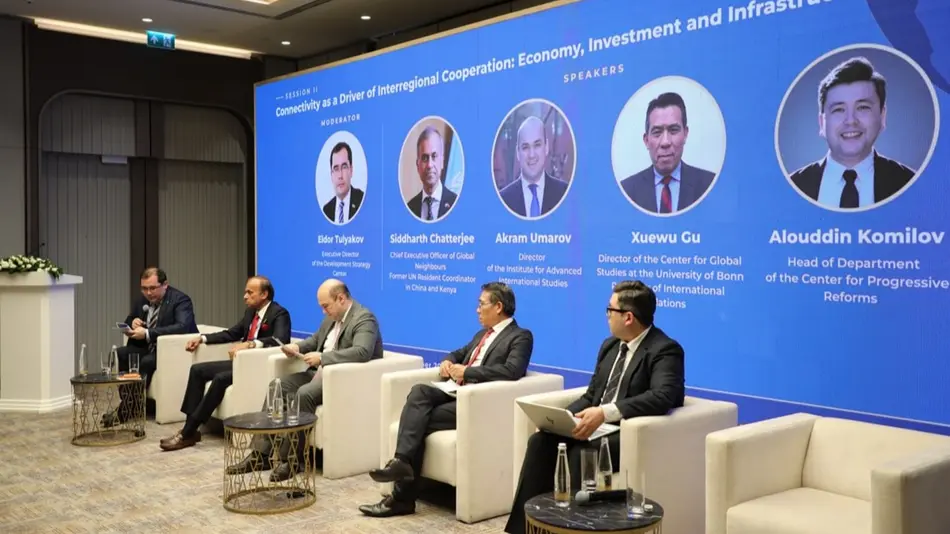
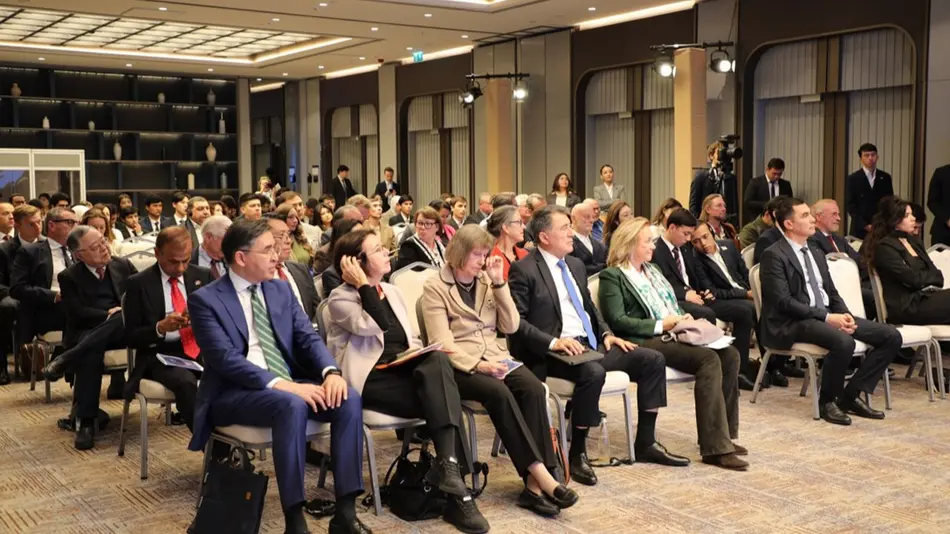
TASHKENT, October 27. /Dunyo IA/. Today, a “roundtable” entitled “Regionalisation Processes: The Experience of Central Asia and Europe, Prospects for Interregional Cooperation and Connectivity” was held in Tashkent, reports Dunyo IA correspondent.
Event was organized by the Institute for Strategic and Regional Studies under the President of Uzbekistan (ISRS), Ministry of Investment, Industry and Trade of Uzbekistan (MIIT) and Global Neighbours, an international think tank founded in Vienna in 2022 by entrepreneur Jovanka Porsche, together with former Austrian Federal Chancellor Christian Kern and former German Vice-Chancellor Philipp Rösler.
Event brought together representatives of expert and research institutions from Central Asia and Europe. The meeting was held as part of the “Tracks to the Future” forum, whose route follows the historic Silk Road, highlighting the importance of transport links between Europe and Asia.
Discussions focused on regional integration, adapting European experience to the circumstances of Central Asia, developing transport corridors, energy cooperation, attracting investment and strengthening digital connectivity.
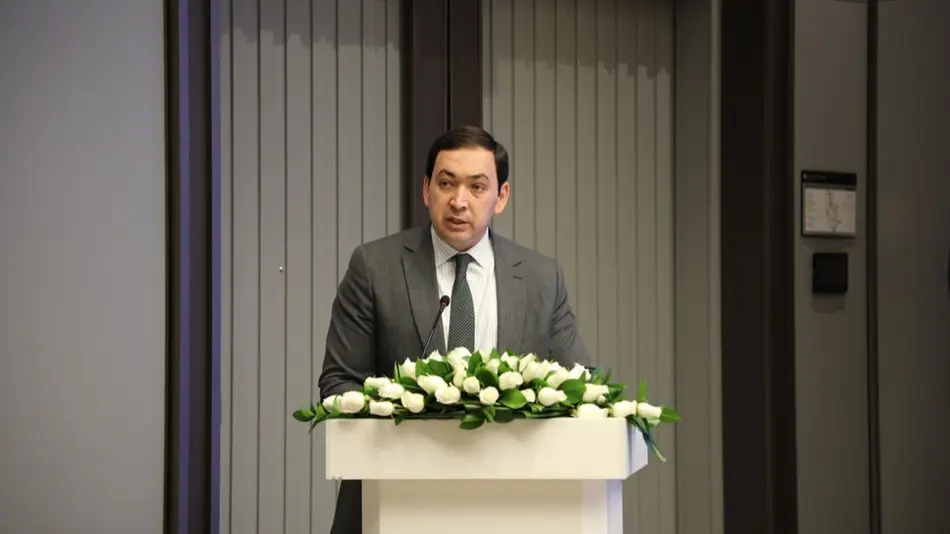
Opening the “roundtable”, ISRS Deputy Director Bakhtiyor Mustafayev emphasized that the fragmentation of the global economy, the weakening of multilateral institutions and the restructuring of production chains have increased the importance of regional cooperation. This form of partnership enables countries to find practical responses to shared challenges with increasing frequency.
The expert highlighted the positive changes that have taken place in Central Asia at the initiative of President Shavkat Mirziyoyev. Regular dialogue among the heads of state has been established, longstanding border issues have been resolved, new border crossing points have opened, and mutual trade and investment have increased. Central Asia–2040 Concept for the Development of Regional Cooperation contributes to strengthening the legal and institutional foundations of regional engagement.
At the same time, as Bakhtiyor Mustafayev noted, regional cooperation is based on equality, mutual respect and consideration for the interests of every country, as Central Asia does not seek to establish supranational institutions.
Priority is to strengthen the region’s agency and strategic autonomy while remaining open to external partners.
European Union is among Central Asia’s key external partners. The first “Central Asia–EU” Summit, held in Samarkand in April 2025, laid the foundation for a strategic partnership. The European side announced a €12 billion investment package under the Global Gateway initiative. Additional opportunities are offered by the Enhanced Partnership and Cooperation Agreement between Uzbekistan and the EU.
In this context, Bakhtiyor Mustafayev identified two key issues for further discussion.
First, ISRS representative argued that it is important to determine which elements of the European experience in regional cooperation could be adapted to the circumstances of Central Asia. This requires taking the region’s specific characteristics into account while upholding the principles of sovereignty, equality and the consistent strengthening of mutual trust.
Second, ISRS Deputy Director stressed that connectivity should become a tangible driver of interregional cooperation. This entails developing the Trans-Caspian Transport Corridor, advancing energy projects and educational programmes, expanding digital infrastructure, and strengthening cooperation in critical raw materials, with value added generated directly within Central Asia.

Latest News

See all
Read also
Circular Economy opens up new opportunities for technological cooperation between Uzbekistan and China
Representatives of Uzbekistan and Turkmenistan discuss expansion of cooperation in energy sector