Tourist attractions of “New Uzbekistan” through the eyes of a German journalist
January 15, 2026. 14:25 • 3 min
• 149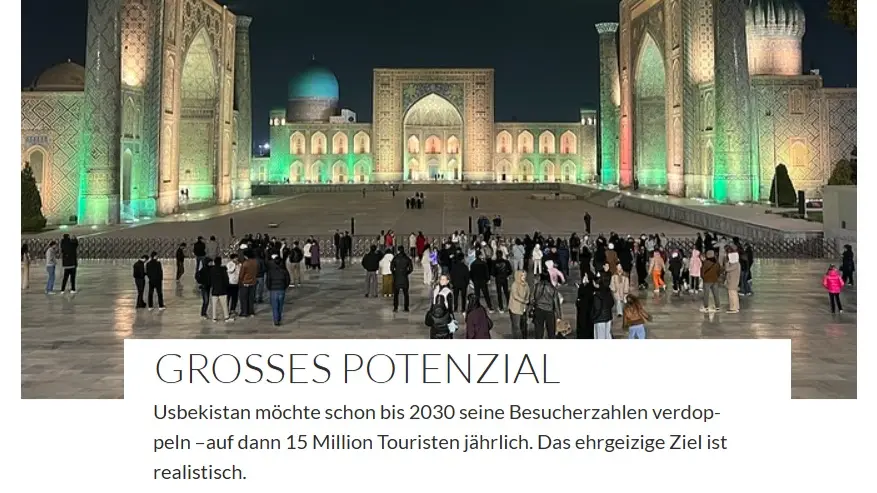
BERLIN, January 16. /Dunyo IA/. The popular German online travel publication “CTOUR”, specializing in the tourism sector, has published the impressions of renowned journalist Fred Hafner from his recent creative trip to Uzbekistan, reports Dunyo IA correspondent.
The article is notable for being prepared as part of the unique “Media Camp” project, organized by the Tourism Committee of Uzbekistan. The author describes Uzbekistan as one of the fastest-growing and safest tourist destinations in the world.
At the beginning of his article a tourist claimed that he felt comfortable even at the airport. Modern air transport, a simplified system and impeccable cleanliness on the streets - all are signs of high economic stability.
According to the author, the media project, organized on the eve of the Tashkent International Tourism Fair (TITF) “Tourism along the Silk Road”, provided foreign journalists with an insider’s perspective on the country. He emphasizes that Uzbekistan ranks among the world’s top ten countries in tourism development. Since 2018, visa-free travel has been in place with more than 100 countries around the world. The reason for our trip is the tourism fair in Tashkent at the end of November. Before that, we will visit Tashkent, Samarkand, Bukhara and Khiva.
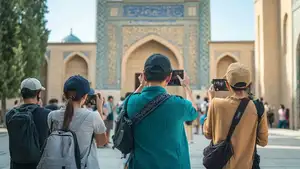
“We not only saw the historical monuments, but also gained first-hand insight into Uzbekistan’s state tourism policies, the expertise of industry specialists and new projects. The Media Camp provided us with an excellent opportunity for open interaction with local residents, artisans, and investors”, - writes Fred Hafner.
The article highlights that The Silk Road(s) originated as a trade route in the 3rd century BC and existed until the 16th century. In addition to flourishing trade, religious and cultural exchange, there have always been devastating wars, destructions, fires and famines along the Silk Road. In terms of tourism, it is obvious that Uzbekistan today is mainly linked to the historic Silk Road. Its magic still fascinates people.
The German journalist discovered Uzbekistan not only as a hub for classical pilgrimage tourism, but also as a center for modern travel experiences. The article highlights the “Afrosiyob” high-speed train as the most thrilling part of the journey.
“High-speed trains of the Talgo type (Spain) run between the capital and Samarkand (2 hours, 300 km) and Bukhara (3.5 hours, 600 km) at speeds of up to 230 km/h.”, - writes the author.
The article describes Samarkand is one of the oldest cities in the world, about 2500 years. It is a melting pot of peoples: Tajiks, Iranians, Uzbeks, Kazakhs, Russians, Turks, live here. 70 percent of Samarkand's inhabitants are originally Tajiks. Including Chinese and Russian, we are greeted by a colorful mix of languages everywhere in the city.
In just three years (2019 to 2021), a complete new city has emerged before Samarkand, New Samarkand or the “Eternal City”. Now 10,000 people are said to be working here, we are told. Every year, around 30 top-class conferences are held with guests from all over the world.
The author also highlights the craftsmanship in Bukhara’s bazaars, exquisite miniature art, and conversations in traditional teahouses as examples of Uzbekistan’s genuine hospitality.
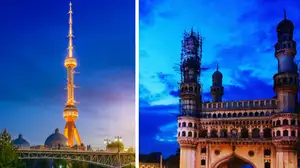
The journalist describes Tashkent, the capital, as a city where modern metropolis meets ancient culture. The bustling Chorsu Bazaar, the grandeur of the Hazrati Imam complex and the impressive Tashkent Metro stations captivated him and other participants in the project.
Another aspect that left a strong impression on the German journalist was the country’s absolute safety and cleanliness. An article notes that The orderly streets, the palatial beauty of railway stations and modern infrastructure make Uzbekistan an attractive destination for investors.
In conclusion, the article emphasizes the justification of Uzbekistan’s strategic goal to double the number of tourists by 2030, highlighting how this ambition will further enhance the country’s investment appeal.

See all