View from Turkmenistan: Alisher Navoi’s Works Reveal the Spiritual Life of 15th-Century Eastern Peoples
February 08, 2026. 12:40 • 2 min
• 159
ASHGABAT, February 8. /Dunyo IA/. Ahead of the 5th International Symposium on “Alisher Navoi and the Eastern Renaissance,” dedicated to the 585th anniversary of the great poet and thinker Alisher Navoi, representatives of Turkmenistan’s scientific and expert community commented for “Dunyo” IA on the significance of his heritage for shaping the spiritual and cultural identity of Central Asian peoples.
Agamurad Baltaev, Head of Department at the Ministry of Culture of Turkmenistan and Candidate of Historical Sciences, noted:
“Throughout human history, literature has played a key role in forming the spiritual and cultural identity of peoples, preserving historical memory, and fostering interstate cooperation. This is especially evident in Central Asia, where the creative legacy of outstanding poets and thinkers became the foundation of national consciousness and the spiritual development of society.
Alisher Navoi was a poet, philosopher, statesman, and educator whose name has become a symbol of humanistic ideals, high poetic culture, and the spiritual richness of the region. His multifaceted work - from poetry to science, from public service to educational efforts - demonstrates that culture and literature in the 15th century were inseparable from the political and social life of society.
Modern cultural diplomacy in Turkmenistan actively draws on his heritage as a means to strengthen historical and spiritual ties with neighboring countries. By promoting Alisher Navoi’s poetry and cultural traditions, Turkmenistan reinforces the fraternity of peoples and preserves the spiritual heritage of Central Asia, making it accessible to the contemporary international community.”
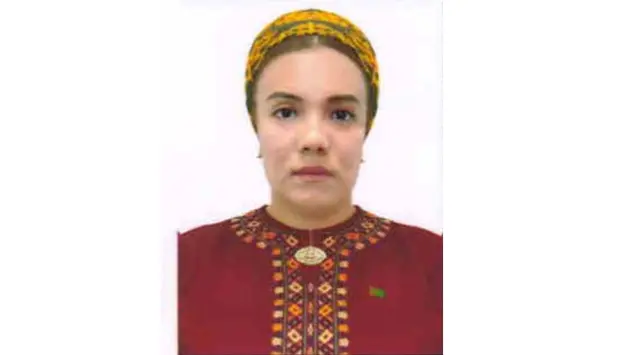
Jennet Ezimova, Senior Researcher at the Institute of History and Archaeology of the Academy of Sciences of Turkmenistan, added:
“Alisher Navoi’s poetic and scholarly works reveal the spiritual life of Eastern peoples in the 15th century. His poetry, much of which became songs, is imbued with humanistic ideals and a high level of artistic expression.
The great thinker is also the founder of the Chagatai literary language, understood by all Turkic-speaking peoples, and influenced the development of Turkmen literature. In his work Muhakamat al-Lughatayn, Alisher Navoi argues convincingly for the equal value of the Turkic and Persian languages for poetry.
His creative legacy is also reflected in musical culture. His poems and melodies are actively performed by bakhshi at festivals and celebrations, and folk tunes associated with his name occupy an important place in the national musical arts.”

See all