Attitude from Ankara: Belgrade Visit marks new step of Uzbekistan toward European Economic Area
September 10, 2026. 12:00 • 3 min
• 150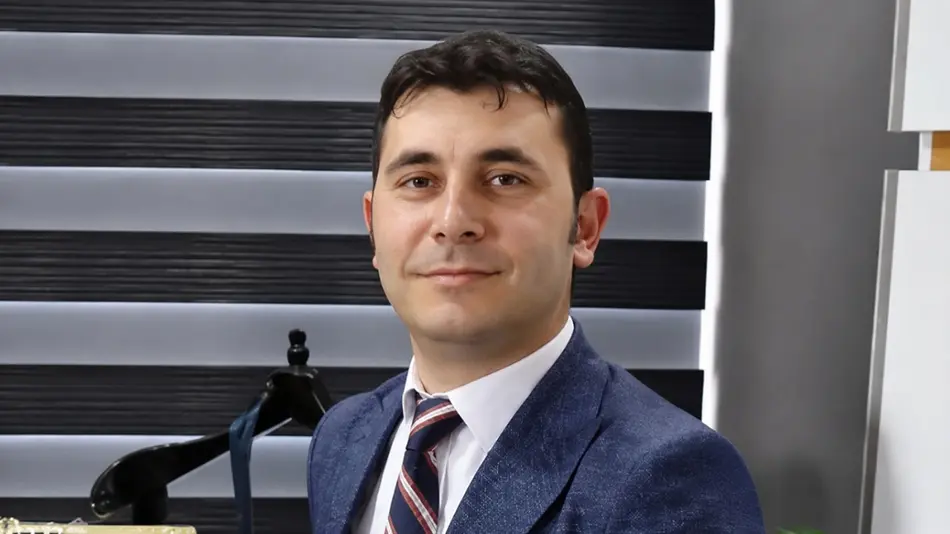
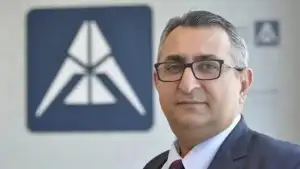
ANKARA, September 10. /Dunyo IA/. Chairman of the Board of Directors of the Turkish Strategic Research and Development Center Yunus Emre Kanat commented for Dunyo IA on the outcomes of the official visit of the President of Uzbekistan Shavkat Mirziyoyev to Serbia on September 7–8th:
- President Shavkat Mirziyoyev’s visit to Belgrade prompts a reconsideration of a question increasingly discussed within Turkey's expert circles in recent years. How does Uzbekistan, situated in the heart of Central Asia and being landlocked, intend to strengthen its positions within the European economy? In my view, the Serbian direction should be considered precisely within the context of this broader strategy.
Over the past year, Tashkent has significantly intensified its European vector. In March 2025, President of Uzbekistan’s visit to France elevated Uzbek-French relations to the level of a strategic partnership. In April, Samarkand hosted the inaugural “Central Asia–EU” Summit, which resulted in upgrading relations to a strategic partnership. In October, the President of Uzbekistan visited Brussels, where the Enhanced Partnership and Cooperation Agreement (EPCA) with the EU was signed. In April 2026, Prime Minister of the Czech Republic Andrej Babiš visited Uzbekistan. This sequence demonstrates that Tashkent’s European dialogue is becoming increasingly systematic and practical.
Belgrade holds interest not only as an independent partner but also as a potential link between Central Asia and the markets of Southeastern Europe. Therefore, I view the negotiations on industrial cooperation, investment, transport, agriculture, pharmaceuticals, and IT as an endeavour to substantiate political rapprochement with tangible economic substance.
Middle Corridor across the Caspian Sea, Azerbaijan, Georgia, and Türkiye forms a vital link between Central Asia and Europe. Within this framework, the Balkans could emerge as the next destination for expanding Tashkent's economic geography, while Serbia could serve as an additional nexus in the broader western transport and economic architecture.
Labour mobility and education also represent promising areas for cooperation. Uzbekistan has already accumulated substantial experience in organized overseas employment for its citizens, while the agreement with Serbia in the fields of education, science, and culture establishes a foundation for expanding academic ties. Technical disciplines, digital technologies and personnel training for emerging industries are of particular interest.
Ultimately, the current stage can be described simply. Policy has already taken the initial step, and it is now the turn of economy. France, Samarkand, Brussels, contacts with other European states, and now Belgrade are elements of a unified strategy by Tashkent to expand its circle of European partners, routes, and markets.
For a country with a complex transport geography, such diversification is of fundamental importance. If the accumulated political capital is successfully converted into real investments, production, transport routes, and trade mechanisms, the Belgrade visit will mark another step for Uzbekistan on its path toward the European economic area.

Latest News
See all
Read also
Attitude from Madrid: Uzbekistan and Serbia take important steps toward Joint Projects
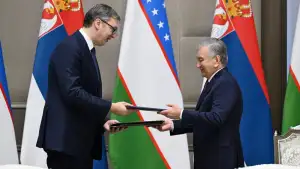
Uzbekistan and Serbia strengthen mutual trust and elevate relations to the level of strategic partnership
View from Moscow: India fits well into Uzbekistan’s multi-vector foreign policy
View from Dushanbe: Indian Prime Minister’s visit to Uzbekistan marks a tectonic shift