Oman’s Monuments widely incorporate elements of Timurid-Era Art and Architecture
March 24, 2026. 08:10 • 2 min
• 543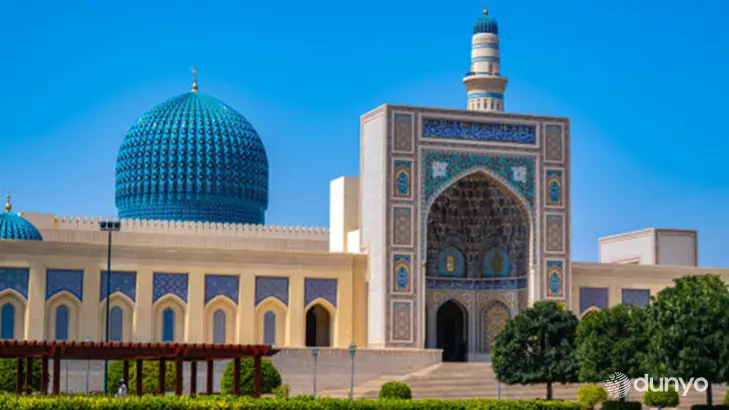
MUSCAT, March 24. /Dunyo IA/. Diplomats from the Embassy of Uzbekistan have studied books and manuscripts preserved in Oman dating back to the era of Amir Temur and the Temurids, as well as exhibits related to the art, architecture and miniatures of that period, reports Dunyo IA correspondent.
Following the study, it was established that the Sultan's Palace features a throne modelled after the decorative muqarnas elements found in the Shahi Zinda mausoleum complex in Samarkand.
This muqarnas is crafted from glazed ceramics and reproduces the ornamentation of a corner element from the interior decor of a mausoleum built in 1360-1361 within the Shahi Zinda complex. The central motif of the composition is known as the “Samarkand three-leaf ornament”, the upper part of which symbolically depicts a mosque dome. In the architecture of the Temurid era, muqarnas became widespread. The ornament is further enhanced with floral motifs - intertwining shoots featuring lotus flowers.
This decorative solution symbolizes the “Tree of Life” and embodies the idea of the Almighty's omnipresence. Currently, this specific fragment is kept at the State Hermitage Museum in Saint Petersburg.
One of Muscat's key landmarks is the Sultan Qaboos Grand Mosque. The interior design of the iwans in its courtyard incorporates decorative art elements characteristic of Timurid-era architecture.
In the mosque's iwan, an information plaque is installed dedicated to the Temurid state and its architectural legacy. It states: “These niches reflect a modern interpretation of the decorative forms and design solutions that reached their peak during the Temurid era. They date back to the reign of Amir Temur from 737–807 AH (1336–1405 AD)”.
The Sultan Qaboos Grand Mosque in Sohar, built in 2016, draws heavily on the architectural style of the famous Amir Temur Mausoleum in Samarkand. Its tall, ribbed turquoise dome and complex ceramic decor vividly reflect the traditions of 14th-15th century Central Asian architecture.
Abdurazzak Samarkandi, who held various state positions at the Temurid court between 1437 and 1469, made a significant contribution to the development of the state's diplomatic ties with Rum (Asia Minor), Egypt, India, China and several other countries.

See all