Akramjon Nematov: Uzbekistan and Tajikistan are building a new model of economic cooperation
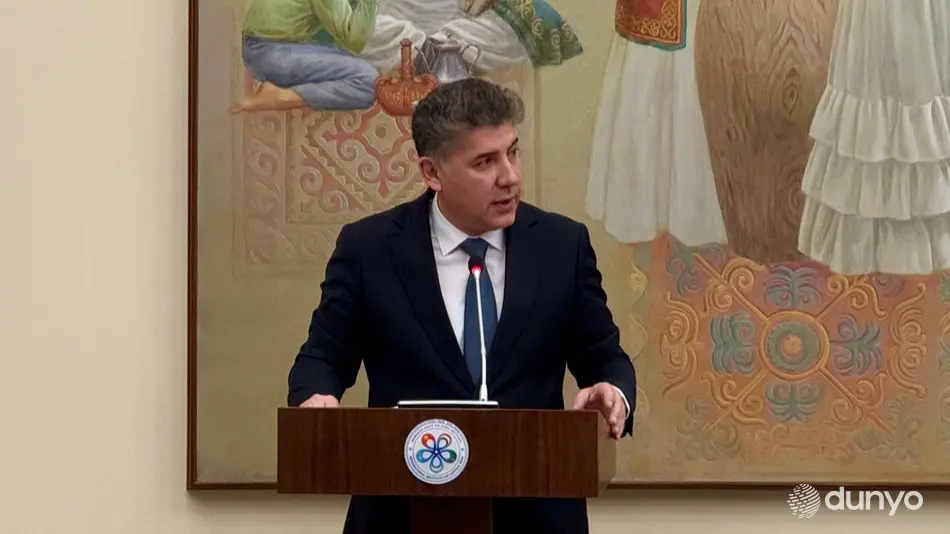
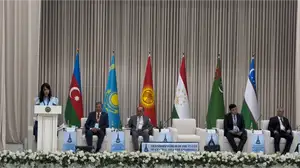
ТАSHKENT, March 13. /Dunyo IA/. Akramjon Nematov, First Deputy Director of the Institute for Strategic and Regional Studies under the President of Uzbekistan (ISRS), delivered a speech at the scientific and practical conference “Uzbekistan - Tajikistan: New Prospects for Allied Relations and Regional Cooperation”, reports Dunyo IA correspondent.
The event, which brought together leading experts, specialists, scholars, and representatives of analytical, research, and educational institutions from both countries, was organized by the International Institute for Central Asia and served as an important expert platform for a substantive exchange of views on key issues of bilateral cooperation.
The expert noted that amid rapid global transformations and unpredictable developments in the regional environment, the allied relationship between the two countries is acquiring particular significance in addressing emerging challenges and strengthening the resilience of the region as a whole.
According to him, “Today, our relations are at an unprecedented high and are going through the best period in their history. We have overcome past disagreements that had been sources of tension and have entered a path of steady and progressive development.”
As the speaker emphasized, this has become possible thanks to the strong political will, strategic vision, and consistent efforts of the two heads of state - Shavkat Mirziyoyev and Emomali Rahmon. “Today, our countries maintain a comprehensive political dialogue that is truly systemic in nature. It is developing not only at the level of the heads of state, but is also being actively pursued between governments, sectoral ministries, parliaments, and the regions of our two countries”, - the expert noted.
It was emphasized that, by now, a robust architecture of political engagement has been established, serving as a reliable institutional pillar of bilateral relations and providing strong momentum for the development of cooperation in the fields of security, the economy, culture and education.
According to Akramjon Nematov, such a high level of cooperation is having a positive impact on trade dynamics, which continue to demonstrate steady growth: since 2016, bilateral trade has increased almost fourfold, exceeding $900 million by the end of 2025.
At the same time, he particularly underscored the qualitative transformation in the structure of bilateral trade: raw materials (including aluminum, energy resources, cotton, and coal) are increasingly being replaced by higher value-added products, including chemical goods, construction materials, textiles, machinery and equipment, and food products.
“A new model of economic cooperation is taking shape between our countries - simple trade is giving way to industrial cooperation and investment partnership”, - the ISRS representative stated.
As evidence, he cited figures showing that the number of enterprises operating in Uzbekistan with Tajik capital has reached nearly 340, compared to just 23 ten years ago.
Joint production of agricultural and household equipment is being successfully developed, while textile cooperation based on Tajik raw materials and Uzbek technologies is expanding dynamically.
In his view, amid the disruption of global logistics chains, such cooperation is becoming a matter of regional resilience. “The economic self-sufficiency of states is becoming an important factor of security. The creation of a common production and technological space will help reduce dependence on external shocks, substitute costly imports, lower consumer prices, and free up additional resources for investment in promising sectors”, - the expert stressed.
The ISRS representative expressed confidence that the development of bilateral industrial cooperation opens up prospects for jointly entering third-country markets, primarily Afghanistan and the countries of South Asia. In the expert’s opinion, as populations grow, economies develop, and the situation gradually stabilizes in these countries, demand for industrial and agricultural products will continue to increase.
In conclusion, Akramjon Nematov noted that a new model of Uzbek-Tajik relations is now taking shape - a model of alliance based on strategic pragmatism, historical and cultural affinity, and the alignment of long-term development goals.
According to him, this model is becoming one of the key factors of resilience and stability across Central Asia as a whole.

See all