Experience of the “Mahalla Seven” of Uzbekistan receives recognition at the OSCE Platform
October 02, 2026. 15:00 • 3 min
• 152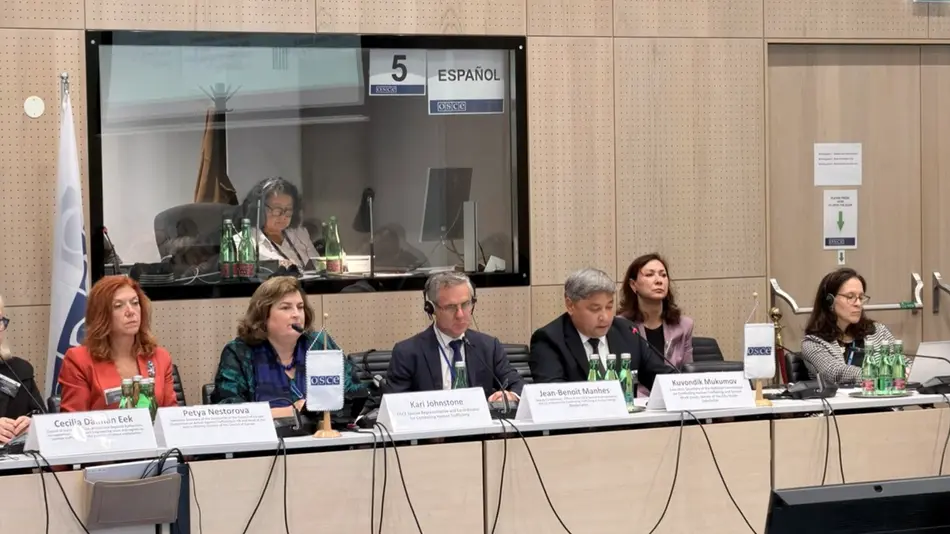
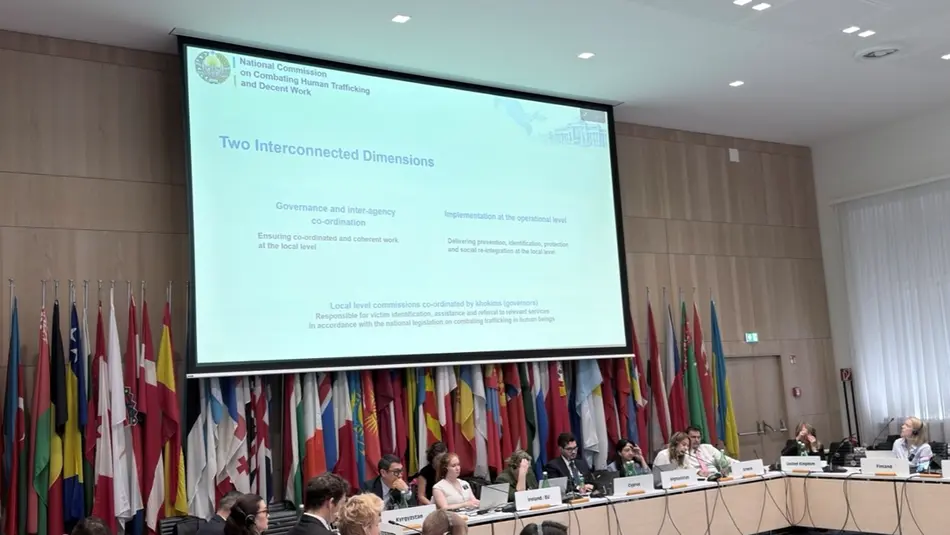
VIENNA, October 2. /Dunyo IA/. A meeting of OSCE national coordinators and rapporteurs on combating trafficking in human beings took place in the capital of Austria, reports Dunyo IA correspondent.
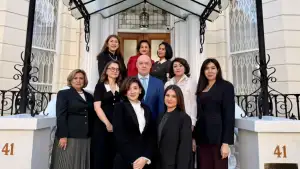
A delegation of Uzbekistan, represented by members of the National Commission on Combating Trafficking in Human Beings and Decent Work, is participating in the event.
With the participation of the OSCE Special Representative and Coordinator for Combating Trafficking in Human Beings, Kari Johnstone, as well as national coordinators and rapporteurs from Central Asian states, a regional “roundtable” dedicated to the prevention of trafficking in human beings was held.
During the dialogue, particular attention was paid to three priority areas: key changes in the national systems of Central Asian states to counter trafficking in human beings, current challenges common to Central Asian countries and priority directions for the further development of regional cooperation.
One of the important practical directions of the meeting was enhancing the role of local state authorities and territorial structures in preventing and combating trafficking in human beings.
Representatives of the OSCE participating States conducted a comparative analysis of the mechanisms applied at the national and local levels, discussed existing challenges and reviewed effective practices.
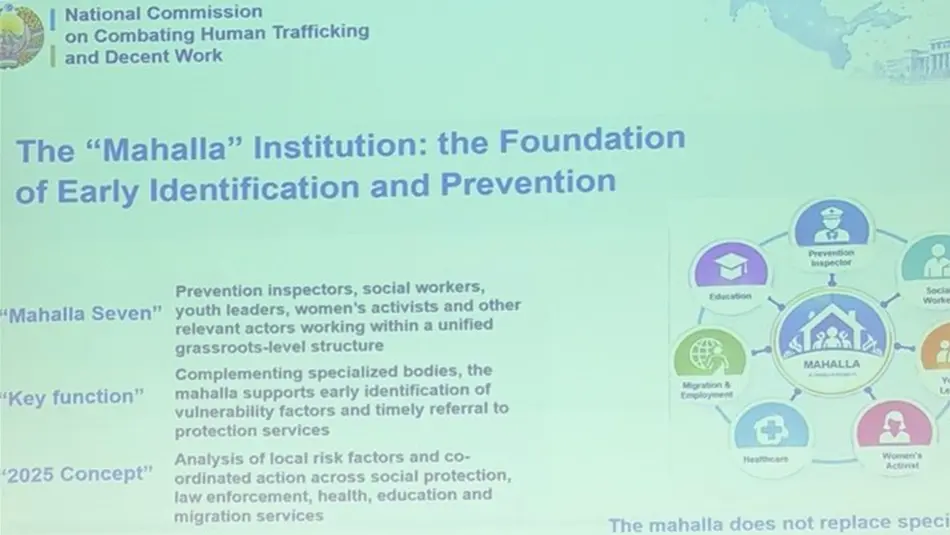
During the discussions, the mechanisms established in Uzbekistan at the mahalla level in the field of countering trafficking in human beings, ensuring human rights guarantees, and providing social protection to the population were presented. Participants were provided with comprehensive information on the ongoing work in the country to combat trafficking in human beings, protect victims and provide them with comprehensive social services, measures to strengthen the institutional framework of this sphere, as well as effective mechanisms implemented at the local level.
In particular, special attention was paid to the activities of territorial commissions, as well as the capabilities of the “mahalla seven” system in working directly with the population, early identification of individuals and families in social risk groups, targeted resolution of their problems, and coordination of the activities of state and public institutions at the mahalla level.
This strategic approach of Uzbekistan received a positive assessment from the OSCE participating States and was noted as a practical experience ensuring the interconnectedness of human trafficking prevention and social protection mechanisms at the local level.
Discussions demonstrated that the effective utilization of the potential of local institutions in combating trafficking in human beings is gaining increasing significance within the OSCE framework.
In this context, the meeting participants specifically highlighted the practical relevance of the comprehensive approach established in Uzbekistan at the mahalla level, not only for Central Asian countries but also for the OSCE space as a whole, in terms of exchanging experience, improving preventive mechanisms, and strengthening regional cooperation.

Latest News
See all
Read also
Uzbekistan and Hungary expand cooperation in the field of legal personnel training

The Second International Forum on “Food Security of Landlocked Developing Countries” to be held in Tashkent