Uzbekistan delegation attends UNESCO’s “GEM Report 2026” presentation and ministerial meeting
April 02, 2026. 10:04 • 2 min
• 87
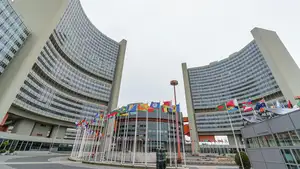
PARIS, April 2. /Dunyo IA/. At UNESCO headquarters, a delegation from Uzbekistan, led by the Minister of Preschool and School Education Ezozkhon Karimova, attended the opening ceremony for the presentation of the 2026 Global Education Monitoring Report (GEM Report) and participated in a ministerial meeting, reports Dunyo IA correspondent.
The event was attended by ministers of education from foreign countries, UNESCO Director-General Khaled el-Anani, UN Deputy Secretary-General Amina Mohammed (online) and leadership from international organizations - including UNICEF, World Bank and Global Partnership for Education - as well as representatives from non-governmental organizations, academia and youth leaders.
In her speech, the head of the Uzbek delegation noted that, thanks to reforms implemented under the leadership of the Head of State, the preschool education enrollment rate in the country has increased from 27% to 78%, while the enrollment of six-year-old children has reached 98%. It was emphasized that these results were made possible by granting preschool education the status of a priority area in state policy, conducting systematic reforms and the presence of strong political will.
At the same time, the Uzbek side emphasized that the next stage in the development of the education system involves not only expanding enrollment but also ensuring equal opportunities for every child, improving the quality of education, and achieving sustainable results. Uzbekistan expressed its readiness to share its experience with international partners and explore advanced approaches.
As part of the ministerial panel "From Commitment to Impact: State Approaches to Preschool Education," information was presented on the consistent reforms of the preschool education system in Uzbekistan in recent years. It was highlighted how the sector has become a state policy priority, with results driven by political will, systemic transformations and flexible approaches. Specifically, measures to expand public-private partnerships and introduce family-based and alternative forms of education were presented as key factors in increasing enrollment and reducing regional disparities.
During the panel discussions, it was specifically noted that at the current stage, the primary focus is not only on expanding enrollment but also on improving the quality of education, ensuring equitable outcomes for every child, enhancing teacher training, updating national curricula based on international standards and supporting children with special educational needs.

See all