Kuwait highlights Amir Temur’s legacy through exhibitions and cultural events
February 26, 2026. 08:10 • 3 min
• 1253
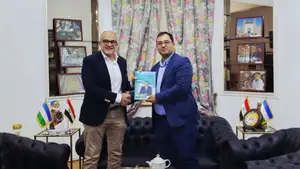
KUWAIT, February 26. /Dunyo IA/. Uzbek diplomats reviewed books and manuscripts dedicated to Amir Temur and Timurid era, as well as exhibits showcasing the art, architecture and miniature painting of that period, reports Dunyo IA correspondent.
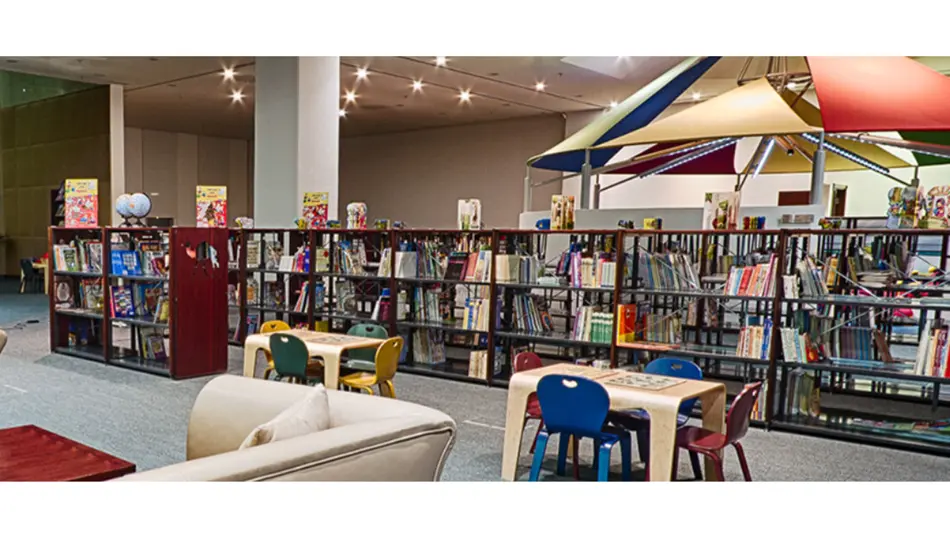
Research revealed that the National Library of Kuwait holds contemporary studies on Amir Temur and his descendants in Arabic and English, as well as copies of manuscripts either created during the Timurid era or recounting events of that period.
Notably, the library houses the book “Ajam al-Islam fi al-Mathaf al-Watani al-Kuwayti”, published in London in 1983, which includes a catalog of rare manuscripts and artworks from the Tуmurid era.
One of the main sources on Amir Temur’s life and the history of the Timurid dynasty is the 1936 edition published in Lahore, “Tamerlane or, Timur: the Great Amir”, which is also preserved in this library.
Historians are deeply impressed by Ron Sela's book “The Legendary Biographies of Tamerlane” published in Cambridge in 2011, which is dedicated to the analysis of legendary biographies and historical sources concerning the founder of the Timurid dynasty.
The National Library of Kuwait also offers Justin Marozzi's modern study, “Tamerlane: Sword of Islam” published in London in 2005, which focuses on the military campaigns of Amir Temur and his empire.
Most libraries in Kuwait have electronic catalogs. Through their websites, one can remotely browse book lists using the keywords “Timur” or “Timurids”.
The renowned “Al-Sabah” collection of the “Dar al-Athar al-Islamiyyah” organization in Kuwait features special editions and albums dedicated to the art, architecture, and miniatures of the Timurid era.
Furthermore, Kuwait University library houses scientific works on the period of Amir Temur, along with various editions of Ibn Arabshah's writings about Temur. These materials can be accessed remotely through the university's digital database.
The Humanities and Social Sciences funds of Kuwait University store numerous studies on Timurid history. Notable among them are: “Al-Imbraturiya al-Timuriya” (1998, Cairo) by Muhammad Said, “The Rise and Rule of Tamerlane” (1989, Cambridge) and “Timurid Art and Culture” (1989, Los Angeles), which serve as vital sources for studying the life and legacy of the great commander.
Ibn Arabshah's manuscript “Aja'ib al-Maqdur fi Nawa'ib Timur” is represented at Kuwait University primarily through Arabic originals and scholarly research.
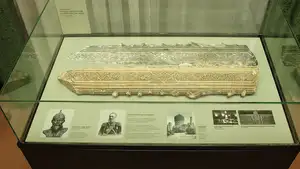
The Tareq Rajab Museum and Library house rare editions examining the fine arts of the Timurid era, as well as works by scholars and poets who served the dynasty. Notable exhibits include the “Diwan” of Sultan Husayn Bayqara (1500, Herat), Nizami Ganjavi's “Khamsa” (1431–1432), Ibrahim Sultan's Quran (1427, Shiraz), calligraphy specimens by Abdullah Sayrafi (late 14th century) and Farid ud-Din Attar's “Mantiq ut-Tayr” (1486).
Furthermore, the “Al-Sabah” collection of the “Dar al-Athar al-Islamiyyah” organization features Timurid and Renaissance-era artworks, including gemstone-encrusted jewelry, weaponry and fine artistic crafts.
The Tareq Rajab Museum also showcases rare manuscripts and miniatures reflecting Timurid art and literature, exquisitely crafted metalwork, ceramics and works transcribed by the era's renowned calligraphers and scholars.

See all