A View from India: Uzbekistan Is Shifting to Development Diplomacy, Where Foreign Policy Is Closely Linked to National Economic Priorities
January 18, 2026. 13:27 • 2 min
• 3477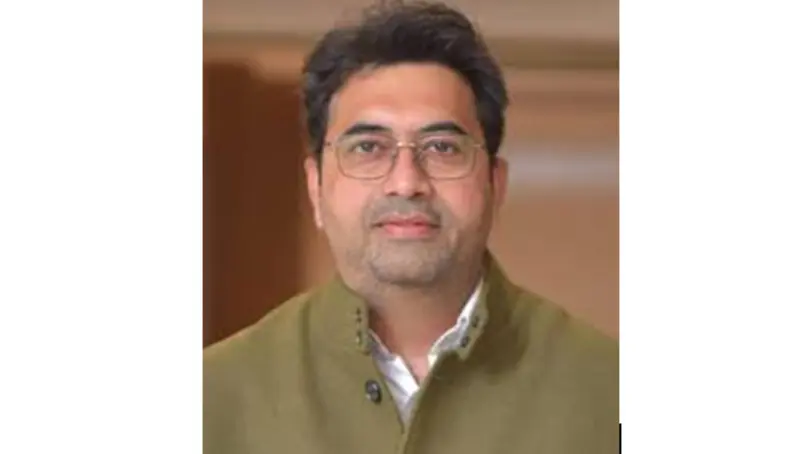
DELHI, January 18. /"Dunyo" IA/. At the request of "Dunyo" IA correspondent, Dr. Raj Kumar Sharma, Senior Research Fellow at the Indian think tank NatStrat, commented on the outcomes of the video conference meeting held on January 15 under the chairmanship of President of Uzbekistan Shavkat Mirziyoyev, devoted to the activities of the Ministry of Foreign Affairs and Uzbekistan’s diplomatic missions abroad:
President Shavkat Mirziyoyev’s emphasis on a “new generation of diplomats” reflects dissatisfaction with traditional, protocol-driven diplomacy and a clear shift toward results-oriented public administration. Diplomats are now viewed not merely as political intermediaries, but as economic agents of the state. This signals a transition from representational diplomacy to development diplomacy, in which foreign policy is closely aligned with national economic priorities.
Africa has been identified as a new frontier for Uzbekistan’s economic diplomacy, indicating the country’s ambition to move beyond regional economic frameworks.
Rising logistics costs have rightly been identified as a structural vulnerability for Uzbekistan. The President underscored the importance of diversifying transit routes, optimizing supply chains, and placing particular emphasis on access to European markets. This aligns with Uzbekistan’s broader strategic goal of transforming itself from a landlocked country into an economy connected to the world through transport corridors.
Another important dimension is educational and intellectual diplomacy aimed at partnerships with the world’s top 100 universities. Embassies are expected to act as facilitators of academic integration and the formation of a reserve of future high-level professionals. This reflects an understanding that soft power, skills development, and innovation ecosystems are critical to long-term competitiveness.
The President also emphasized systematic engagement with foreign media and the need for dedicated international media projects. This demonstrates awareness that narrative power and reputation management are integral components of diplomacy, particularly for a reform-oriented country seeking global visibility.
President Shavkat Mirziyoyev’s views represent a mature shift in Uzbekistan’s foreign policy thinking — from visibility and participation toward measurable impact and national benefit. If effectively implemented, this approach will position Uzbekistan as a confident, economically integrated state in Eurasia and beyond.

Latest News
See all
Read also
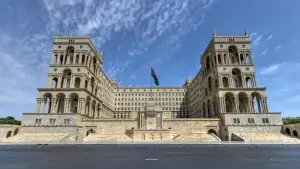
Baku CICA Summit to set priorities for strengthening regional security and advancing future development

Industrial Potential of Uzbekistan showcased at International Exhibition in Germany
View from Ankara: Uzbekistan stands at the Center of Processes shaping the Future of Central Asia