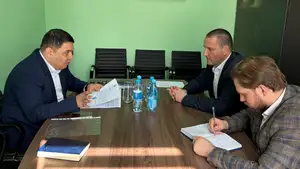
“Roundtable” discussions on “Reforms and Cooperation: New Agenda of Uzbekistan and the European Union” held at the European Parliament
February 27, 2026. 09:41 • 3 min
• 464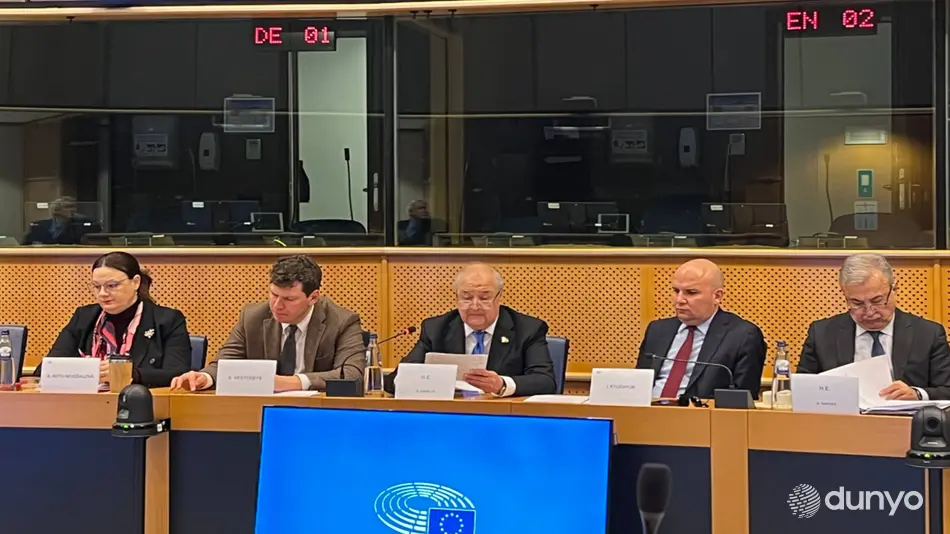
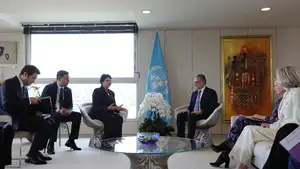
BRUSSELS, February 27. /Dunyo IA/. On February 25, a “roundtable” on “Reforms and Cooperation: A New Agenda for Uzbekistan and the European Union” was held at the European Parliament as part of the Uzbek delegation’s visit to Brussels, reports Dunyo IA correspondent.
The event was attended by the European Parliament’s Standing Rapporteur for Uzbekistan, Ilhan Kyuchyuk, along with MEPs and political advisors from all parliamentary factions, representatives of EU institutions, think tanks and the media - totalling over 50 participants.
Uzbek side presented the results of the large-scale reforms implemented under the “New Uzbekistan” strategy. Key focus was placed on democratic transformations, economic liberalization, the strengthening of human rights protection, and improving the population's standard of living. Additionally, the principles of the country's open and pragmatic foreign policy, aimed at fostering regional cooperation and building a balanced architecture of strategic partnerships, were outlined.
European participants highlighted Central Asia’s growing geoeconomic significance for Europe. They noted that the signing of the Enhanced Partnership and Cooperation Agreement (EPCA) between Uzbekistan and the European Union marked an important milestone in bilateral relations. The ratification and practical implementation of this agreement are intended to establish a solid institutional framework for expanding cooperation in trade, investment, transport, critical resources, as well as dialogue on human rights and support for civil society.
Speakers from the European Parliament and EU institutions praised the reforms being carried out in Uzbekistan, emphasizing their consistency, systematic approach, and the progress achieved in creating a favorable investment climate. These transformations were noted to strengthen trust among European partners and enhance the attractiveness of the Uzbek market for business.
Particular attention was given to the expansion of trade and economic cooperation and the growing interest of European companies in projects in Uzbekistan. The country’s strategic role in developing transport and energy connectivity between Europe and Asia was also underscored, including the promotion of the Trans-Caspian Transport Corridor as a key element for diversifying logistics routes.
A separate area of focus was the development of cooperation in the production of critical materials, with an emphasis on establishing local high value-added manufacturing chains. The potential for deepening industrial collaboration and implementing modern sustainable development standards was also highlighted.
The parties further noted the importance of expanding engagement within EU educational and research programmes, including “Erasmus+” and “Horizon Europe”, as well as the prospects for cooperation in digitalisation, artificial intelligence, “green” economy and labour mobility.
The “roundtable” confirmed European partners’ strong interest in further developing political dialogue, expanding trade and economic ties and jointly implementing infrastructure and investment initiatives, including within the framework of the EU’s “Global Gateway” strategy.

See all