Uzbekistan is consistently pursuing a comprehensive policy aimed not only at addressing the consequences of extremism, but also at eliminating the underlying causes behind the spread of destructive ideologies
June 11, 2026. 10:00 • 3 min
• 43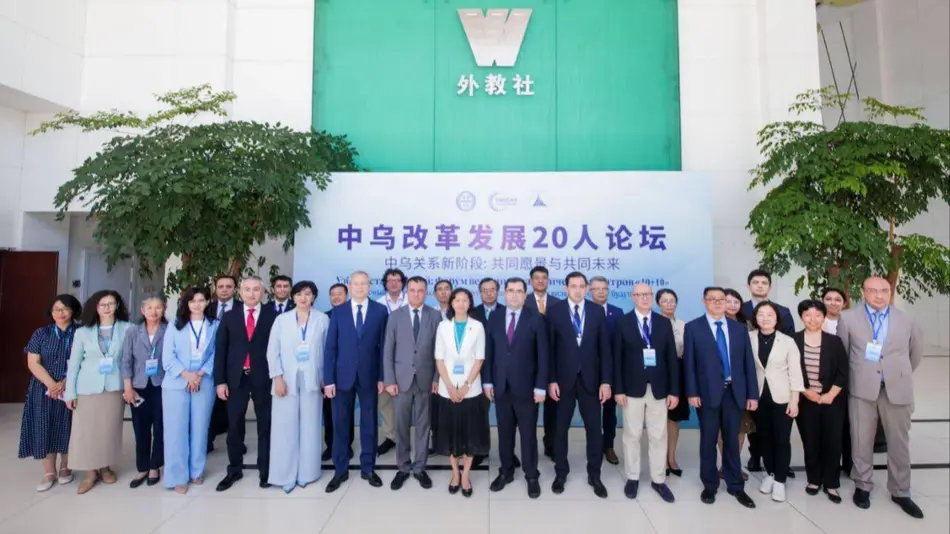
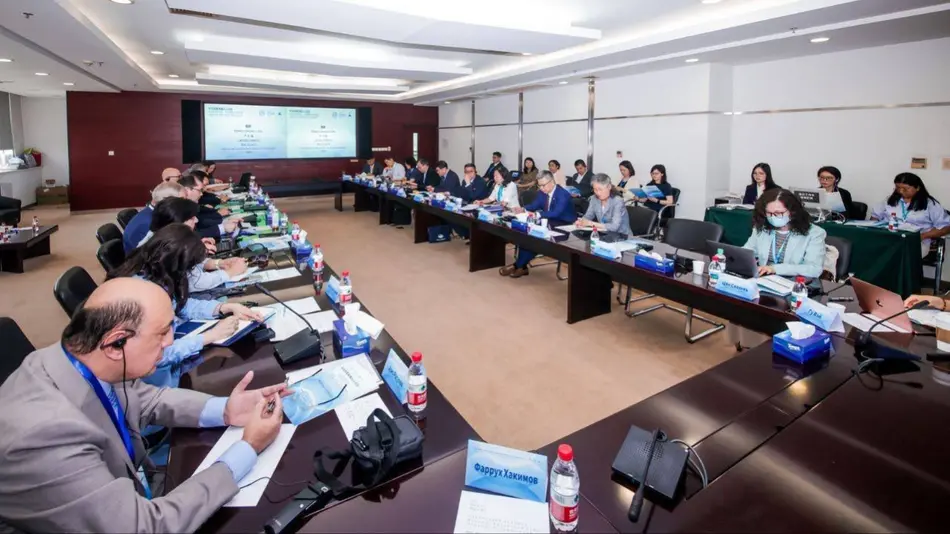
SHANGHAI, June 11. /Dunyo IA/. Shanghai hosted the “10+10” forum of leading think tanks under the theme “A New Stage in Uzbekistan–China Relations: Shared Vision and Shared Future”, reports Dunyo IA correspondent.
The event was jointly organized by the Shanghai Academy of Global Governance and Area Studies of Shanghai International Studies University and the Development Strategy Center of Uzbekistan.
The Chinese side was represented by experts from the country’s leading research institutions, including Peking University, the Shanghai Academy of Social Sciences, the Shanghai Institutes for International Studies, Fudan University, and the China Institute of International Studies.
The Uzbek delegation included representatives of the Institute for Strategic and Regional Studies (ISRS), the International Institute for Central Asia (IICA), the Center for Foreign Policy Studies under the Ministry of Foreign Affairs, the University of World Economy and Diplomacy, Tashkent State University of Oriental Studies, and the Academy of Sciences of the Republic of Uzbekistan.
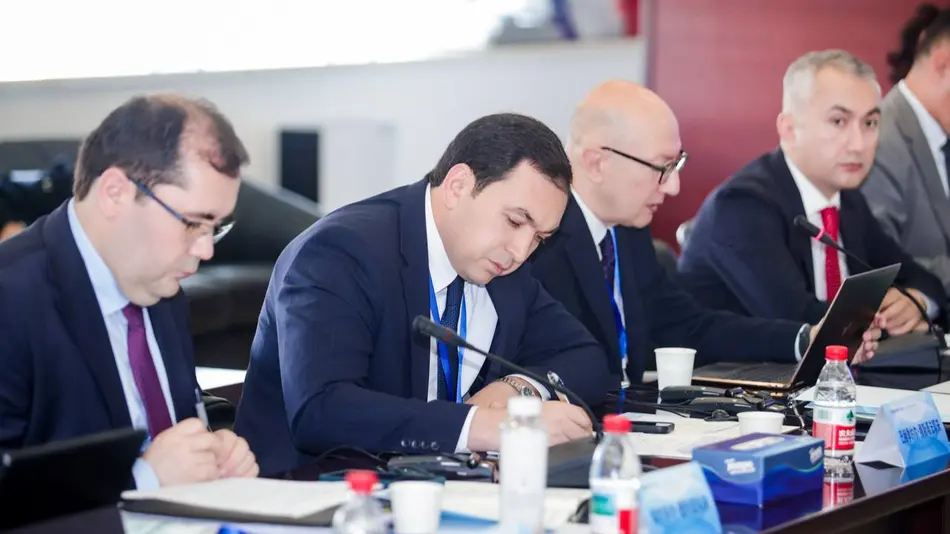
Bakhtiyor Mustafayev, Deputy Director of ISRS, addressed a session devoted to security issues in the Eurasian region.
In his remarks, he highlighted key trends in the evolution of contemporary terrorist and extremist threats.
It was noted that recent years have witnessed growing radicalization among young people in the digital space, as well as the expanding use of emerging technologies, including artificial intelligence tools, for the dissemination of extremist propaganda and disinformation.
According to the ISRS Deputy Director, these developments underscore the increasingly transnational nature of contemporary threats and the need to adapt existing response mechanisms to evolving realities.
In this context, Bakhtiyor Mustafayev presented Uzbekistan’s approaches to preventing extremism and radicalization. He emphasized that the country is consistently pursuing a comprehensive policy aimed not only at addressing the consequences of extremism, but also at eliminating the underlying causes behind the spread of destructive ideologies.
Particular attention is being paid to the development of the education system, enhancing media literacy among young people, promoting critical thinking and legal awareness, and strengthening societal resilience. An important role is played by religious educational institutions, whose activities are focused on promoting the humanistic values of Islam and countering distorted interpretations of religious teachings.
Special attention was also drawn to Uzbekistan’s experience in the social adaptation and reintegration of citizens returning from conflict zones after having fallen under the influence of radical ideologies. It was emphasized that the implementation of comprehensive preventive measures contributes to strengthening social stability and fostering resilience against extremist narratives.
According to the ISRS representative, effectively addressing contemporary threats requires broader international cooperation and more active expert dialogue. In this regard, strengthening the Uzbekistan–China partnership in the field of security, exchanging analytical assessments, and developing joint approaches to preventing radicalization and extremism are of particular importance.
It was emphasized that the convergence of Uzbekistan’s and China’s positions on ensuring stability, respecting the principles of sovereignty, and taking mutual interests into account creates favorable conditions for further deepening bilateral cooperation in the interests of promoting peace and security across Eurasia.

Latest News

See all
Read also
Uzbekistan chairs meeting of the CIS Advisory Council of Heads of Consular Services of Foreign Ministries