ADB President: "New Uzbekistan – 2030" strategy’s human-centric vision fully aligns with our development philosophy
November 20, 2025. 09:17 • 4 min
• 605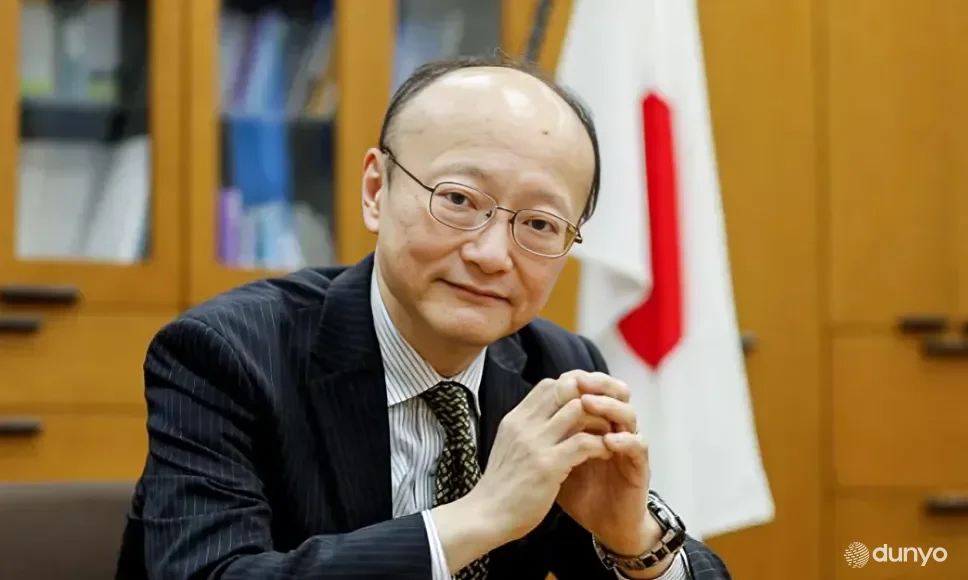
ТASHKENT, November 20. /Dunyo IA/. A high-level delegation led by Masato Kande, President of the Asian Development Bank (ADB), has arrived in Uzbekistan, reports Dunyo IA correspondent.
As part of the visit, President of Uzbekistan, Shavkat Mirziyoyev held a meeting with President of the Asian Development Bank (ADB), during which the parties discussed prospects for further expanding bilateral cooperation with the Bank.
In an exclusive interview with a correspondent of the Dunyo Information Agency, Masato Kande praised the rapid pace of reforms under way in Uzbekistan and across the wider Central Asian region.

– First of all, thank you for taking the time for this interview. Welcome to Uzbekistan.
– Thank you very much. I am pleased to be back in this country once again.
– This year marks the 30th anniversary of cooperation between the Asian Development Bank and Uzbekistan. In your view, what level has this partnership reached today, and which key milestones over the past three decades have had the greatest impact on our country’s development?
– Yes, this is indeed a significant milestone. Over the past 30 years, more than 15 billion US dollars have been allocated to Uzbekistan through 118 projects. These initiatives span nearly all strategic sectors, including infrastructure, energy, transport, state-owned enterprise reform, and human capital development.
The recently signed USD 1.2 billion solar power and energy-storage project is particularly noteworthy. A capacity of 1,000 megawatts means clean electricity for around 600,000 households. This will lay the groundwork for Uzbekistan to become a regional leader in the transition to green energy. We are proud to be working with the Government of Uzbekistan to help improve the lives of its people, especially those who are most in need of support.
– Uzbekistan is currently undertaking deep and well-targeted reforms aimed at reducing poverty, expanding opportunities for the private sector, and building a modern digital infrastructure. How would you assess the progress achieved in these areas? And at the same time, in what practical ways is the ADB supporting this wide-ranging transformation?
– Uzbekistan’s reform policy is very clear: the interests of people come first. The principles of "Human Dignity and Value" outlined in the "New Uzbekistan – 2030" strategy are fully aligned with our development philosophy. We are pleased to support reforms that reduce poverty, strengthen social protection systems, and promote economic modernization and long-term sustainable development.
In particular, the development of the private sector remains one of the most important priorities. We are actively working with Uzbekistan on state-owned enterprise reform, creating a favorable environment for entrepreneurship, and expanding public-private partnership projects. These reforms are essential for ensuring sustainable growth of the country’s economy.
– The ADB has been playing an important role in strengthening regional connectivity in Central Asia. Within the framework of major initiatives such as SARES, what contributions is Uzbekistan making, and in which key areas is the country benefiting from these programs?
– You know, this is very important. Integration expands economic opportunities, facilitates access to markets, reduces logistics costs, and strengthens trust between neighboring countries.
Uzbekistan is actively participating in this program. It encompasses not only road and railway infrastructure but also initiatives such as simplifying trade procedures, digitizing customs systems, and the "Green Energy Corridor." Uzbekistan’s ambitions for regional leadership are also an inspiration for us.
– Uzbekistan is actively pursuing accession to the World Trade Organization. How will the process of joining the WTO shape a new phase of cooperation with the ADB, and which areas are expected to be prioritized in the future?
– We fully support Uzbekistan’s determined efforts to accede to the World Trade Organization. This process will contribute to the country’s deeper integration into the global economy. The Asian Development Bank will continue providing technical and institutional assistance to enhance trade policy, align customs procedures, facilitate trade, and develop standardization and certification systems. Digital skills development and human capital are also an integral part of this process.
I would also like to share an important update: next year, the ADB’s annual meeting will be held in Samarkand. This is one of the world’s most prestigious international platforms, bringing together leading finance ministers, central bank governors, experts, and representatives from the business community. The meeting will offer Uzbekistan a unique opportunity to showcase its achievements and address a global audience directly regarding its future strategic plans.
– Thank you very much for this candid conversation!
– Thank you as well.
See all