Saara-Sofia Sirén: Combating gender-based violence requires collective effort across all levels of society
December 04, 2025. 09:12 • 4 min
• 579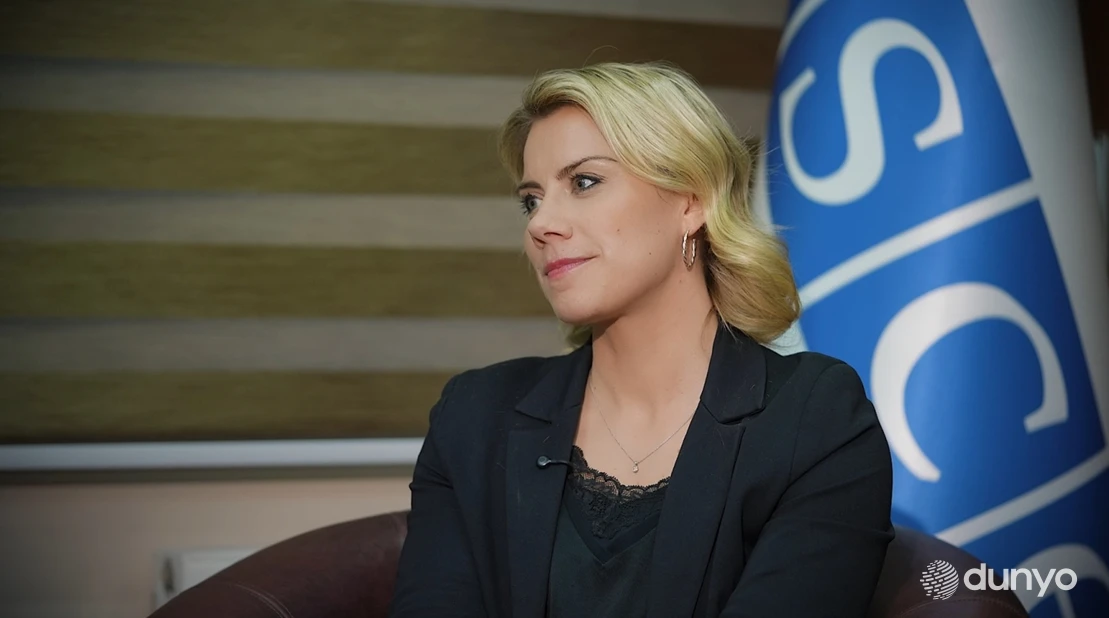
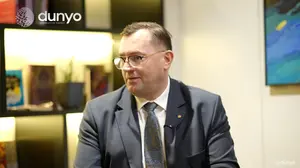
ТASHKENT, December 4. /Dunyo IA/. Saara-Sofia Sirén, Special Representative of the current Chairperson-in-Office on Gender of the Organization for Security and Co-operation in Europe (OSCE), visited Uzbekistan on an official working trip, reports Dunyo IA correspondent.
In an exclusive interview with Dunyo IA correspondent, she discussed the key outcomes of Finland’s chairmanship of the Organization for Security and Co-operation in Europe (OSCE), the organization’s priorities, and efforts to promote gender equality. The Special Representative also shared her assessments of the reform dynamics in Uzbekistan, highlighting the country’s significant achievements in strengthening institutional mechanisms to ensure gender equality, expanding women’s rights and empowerment, protecting against all forms of violence, and supporting youth initiatives.
- Finland’s chairmanship of the Organization for Security and Co-operation in Europe (OSCE) is coming to a close. How would you assess its key outcomes, and, as the OSCE Chairperson’s Special Representative on Gender Issues, which of Uzbekistan’s achievements in the field of gender equality do you consider most significant?
- Equality and women’s rights have been central themes of Finland’s OSCE chairmanship. In its role as Chair, Finland approaches gender equality not as a standalone issue, but as a universal value that permeates all sectors of society. We have held a series of successful events. For instance, I would like to highlight the “Women, Peace and Security” conference held in Vienna earlier this year. At this conference, we announced a “roadmap” on women, peace, and security, outlining various pathways for implementing this agenda. More than 30 participating countries have already utilized this roadmap or are in the process of doing so, and I am pleased to report that Uzbekistan is among them. During my visit, the key topics I discussed included gender-based violence and women’s participation in political decision-making. I was very pleased to learn about the reforms being implemented in Uzbekistan in these two areas.
- Civil society institutions and women’s NGOs in Uzbekistan play a vital role in preventing and combating gender-based violence. In your view, how can cooperation between the state and civil society be further strengthened to achieve long-term and sustainable results?
- This is a very important question and also a key area for development. I fully support further strengthening the cooperation between civil society and the state. Civil society often operates “from the ground up” at the local level, and it is frequently easier to connect with civil society actors who provide direct assistance to victims of gender-based violence. In many countries, NGOs play a crucial role in supporting such victims. Another important area of collaboration between the state and NGOs is violence prevention, raising awareness of women’s rights, and disseminating information about where women can turn in cases of abuse. Combating gender-based violence is a shared objective, and achieving it requires the joint efforts of all sectors of society.
-An international campaign, “16 Days of Activism against Gender-Based Violence” is currently underway, with active participation from the OSCE. What message would you like to convey to the youth of Uzbekistan, especially in light of the ongoing reforms in the country and efforts to ensure equality and safety for all?
- My first thought is that any form of violence is unacceptable. Everyone should feel safe, whether online or offline. The main theme of this year’s campaign is digital violence, a phenomenon that is rapidly increasing. I am deeply concerned about this trend. Young women are particularly vulnerable to online abuse and harassment. New measures are urgently needed to prevent such violence, as well as innovative ways to support victims. Another key message is that, to effectively combat gender-based violence, everyone must understand that it is unacceptable and, in many cases, illegal.
- Looking ahead, what do you see as Uzbekistan’s next steps toward achieving gender equality? And how do you envision the country’s role within the OSCE in the coming years?
- The OSCE has established very strong cooperation with Uzbekistan and its civil society. Of course, there are always opportunities to further strengthen this partnership. In the coming year, the OSCE Office in Uzbekistan will work more actively, for example, on capacity-building initiatives, which will create new opportunities. There are also prospects for collaboration in areas such as climate and environmental protection, as well as water resource management.
At the same time, I would like to highlight Uzbekistan’s pivotal role in Central Asia. I believe there is significant potential for cross-border cooperation and joint initiatives with other Central Asian countries in areas such as women’s rights and youth empowerment. The country is developing at a remarkable pace. Notably, reforms in women’s rights and gender equality are being actively implemented, with a determined and strategic approach. Uzbekistan’s growing economy also creates new opportunities, while a rising population further underscores the importance of the younger generation, whose role is increasingly vital for the country’s future development.”
- Thank you for sharing your insights!
- Thank you as well.

See all