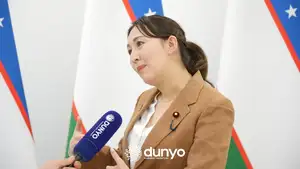
Shaikha Nasser Al Nowais: Cooperation between Uzbekistan and UN Tourism is moving toward tangible results
April 11, 2026. 10:00 • 5 min
• 853
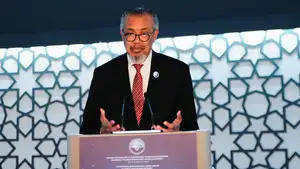
MADRID, April 11. /Dunyo IA/. Secretary-General of UN Tourism Shaikha Nasser Al Nowais answered questions from Dunyo IA correspondent.
- You have become the first woman and the first representative of the UAE to serve as Secretary-General of UN Tourism. What does this mean for you personally and for the global tourism sector?
- I remember that moment very clearly. I was sitting at the General Assembly in Riyadh when I heard my name announced. There was a brief pause, as if everything stood still. Then came the realization of the scale of the event and the level of responsibility. It was an overwhelming feeling.
Becoming the first woman in this position makes the moment even more meaningful. However, such achievements do not belong to one person alone. They reflect the efforts of the women who came before us, whose role in shaping families, communities, and societies has always been fundamental, even if not always fully recognized. For me, this is both a personal honor and a reminder that being the first should help others follow.
This sense of responsibility has accompanied me from an early age. Travel and exposure to different cultures shaped my worldview. They instilled in me the understanding that what you do should matter not only to yourself. This is precisely what tourism represents: people, connections, and opportunities. This should be reflected not only in how we speak about the sector, but also in how it is governed and whom it serves.
- What inspires you most about working in the tourism sector today?
- What inspires me most is what tourism can offer people. When people think of tourism, the first thing that comes to mind is leisure, such as beaches, resorts, and a chance to disconnect for a few days. Of course, that is part of it, but tourism is much broader.
At its core, tourism creates opportunities. It supports livelihoods, preserves culture, and strengthens communities, often in places where other industries do not reach.
This is what makes it such a powerful force. It is one of the few sectors that touches many aspects of people’s lives, from jobs and small businesses to identity and a sense of belonging.
At a time when the world seems increasingly divided, tourism still has the power to bring people together. If developed thoughtfully, it can contribute to more inclusive and sustainable growth, delivering real benefits to people and communities.
- What key priorities have you set for yourself in this position in the coming years?
- My priorities are focused on ensuring that tourism delivers real value, including economic, social, and sustainable benefits.
This begins with strengthening the foundations of the sector by improving data, governance, and coordination so that decisions are more informed and effective.
It also means deepening cooperation with Member States, the private sector, and international organizations, as no single stakeholder can shape the future of tourism alone.
Equally important is capacity building. This involves supporting destinations, particularly developing ones, with the tools, skills, and confidence needed for sustainable and resilient growth.
At its core, the goal is simple: to ensure that tourism works better for people, communities, and future generations.
- How do you see the development of tourism in the coming years?
- Tourism is already undergoing transformation, and this process will only accelerate. We are witnessing shifts in how people travel, what they value, and how destinations position themselves.
There is growing attention to sustainability, authenticity, and meaningful experiences, with travelers seeking more than simply visiting a place.
At the same time, technology and innovation are reshaping the sector, from trip planning to destination management.
The challenge, and at the same time the opportunity, is to guide this evolution in a way that balances growth with responsibility. If achieved, tourism will continue to serve as a powerful driver of opportunity and connection.
- How do you assess cooperation between Uzbekistan and UN Tourism?
- Today, cooperation between Uzbekistan and UN Tourism is strong, practical, and clearly evolving from ambition to tangible results.
This is evident from the consistent engagement in recent years, including the hosting of the General Assembly in Samarkand, which marked an important milestone in our partnership.
Since then, this cooperation has already produced concrete outcomes. The establishment of the International Academy in Samarkand is a notable example, contributing to skills development in the sector.
The opening of the UN Tourism Thematic Office on the Silk Road will further strengthen the partnership and create a platform for regional cooperation.
It is important to note that this is not a one-time interaction; it is becoming a sustainable and strategic partnership with long-term value.
- What is your view on Uzbekistan’s initiative to develop a Global Code for Safe Tourism?
- Uzbekistan’s initiative to develop a Global Code for Safe Tourism is both timely and necessary. During this week’s meeting with the President, he particularly emphasized its importance and the need to accelerate its broader promotion, especially in the context of global uncertainty.
Trust is the foundation of tourism. When people feel safe, they travel. When they sense uncertainty, they hesitate. Recent global challenges have only reinforced the importance of strengthening trust in the sector.
Such an initiative can contribute to greater alignment and the development of shared standards, enhancing resilience and enabling more consistent responses to future challenges.
The most important aspect is how it will be developed and implemented, ensuring that it is practical, inclusive, and widely supported. If done properly, it can make a meaningful contribution to the future of tourism.

See all