Uzbekistan set to assume IFAS chairmanship as regional water challenges intensify
April 22, 2026. 21:17 • 3 min
• 74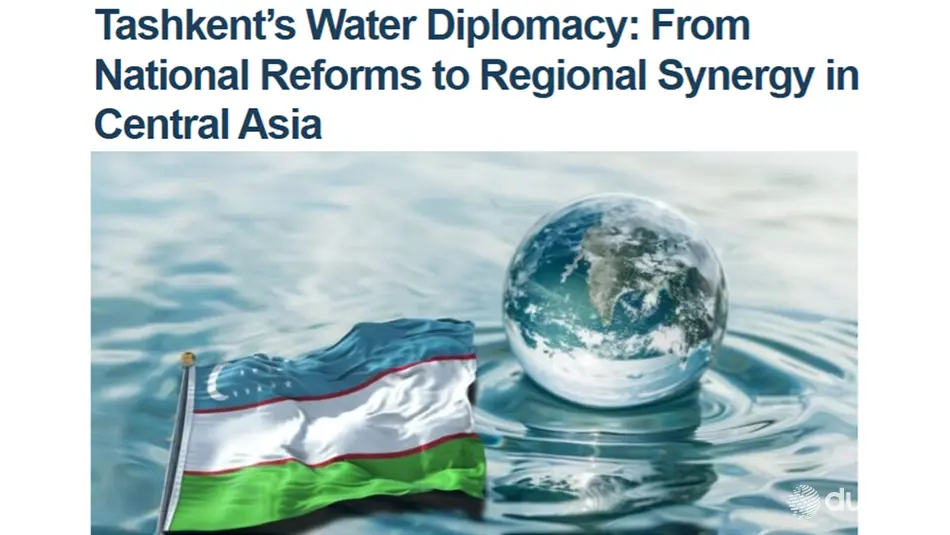
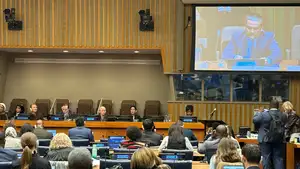
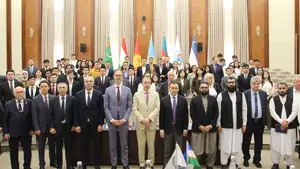
ASTANA, April 22. /Dunyo IA/. The international analytical platform “Diplomatic Watch” has published an article on the upcoming summit of the International Fund for Saving the Aral Sea (IFAS) in Astana, highlighting Uzbekistan’s increasing role in regional water diplomacy and its large-scale reforms in the water sector, reports Dunyo IA correspondent.
The International Fund for Saving the Aral Sea (IFAS) summit in Astana is set to mark a key turning point for regional cooperation, as Uzbekistan prepares to assume the organization’s chairmanship for 2027–2029. This will be the country’s third leadership term, following previous mandates in 1997–1999 and 2013–2016.
Uzbekistan’s return to the helm comes at a time of mounting environmental and resource pressures across Central Asia. Over the past 15 years, per capita water availability in the country has dropped from 3,000 to 1,400 cubic meters annually, while total water resources have declined by more than 20% compared to 1991 levels. With around 80% of water originating outside its borders, Uzbekistan remains highly dependent on transboundary rivers. Experts warn that the national water deficit could reach 7 billion cubic meters by 2030 and up to 15 billion cubic meters by 2050.
In response, the government has undertaken a sweeping modernization of the water sector under President Shavkat Mirziyoyev. The adoption of water-saving technologies has expanded dramatically - from just 28,000 hectares a decade ago to more than 2.6 million hectares today, covering over 60% of irrigated land. Authorities estimate that these measures could save up to 15 billion cubic meters of water annually by 2030.
At the same time, Uzbekistan is accelerating digital transformation in water management. More than 100 major water facilities have been automated, “Smart Water” systems introduced at 13,000 intake points, and over 1,700 pumping stations equipped with real-time monitoring technologies.
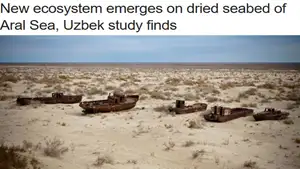
Environmental rehabilitation of the Aral Sea region remains a central priority. Large-scale afforestation projects have already covered around 2 million hectares of the dried seabed, helping reduce salt and dust storms and restore ecosystems. The region’s international profile has also grown, culminating in its designation as a “Zone of Ecological Innovations and Technologies” under a UN resolution adopted in 2021.
On the diplomatic front, Uzbekistan has stepped up regional cooperation on shared water resources. Agreements with neighboring countries on the operation of key reservoirs and hydropower facilities have strengthened coordination, while new initiatives aim to promote long-term planning. Among them is a proposal to declare 2026–2036 the “Decade of Practical Actions for the Rational Use of Water in Central Asia”.
Uzbekistan also advocates for broader regional dialogue, including engagement with Afghanistan on transboundary water management through data sharing and joint monitoring mechanisms.
As it prepares to lead IFAS, Tashkent is expected to prioritize strengthening the organization’s institutional framework, expanding international partnerships and advancing sustainable solutions to the region’s water and environmental challenges.



See all